
And how to turn these moments into gentle, reassuring rituals.
Washing their hair, taking a bath, applying cream, brushing their hair…
For many parents, these everyday moments quickly become a source of stress, tears, or endless negotiation 😮💨.
👉 “He doesn’t want to wash up.”
👉 “She hates having her hair brushed.”
👉 “He refuses to let us put cream on him.”
Rest assured: you’re not alone. And above all, this behavior is completely normal in children.
In this article, we explain why children refuse these everyday tasks, and above all, how to turn them into gentle, reassuring, and pleasant moments, without forcing them 🌿.

👶 1. Children feel everything… more intensely than we do
Children’s skin and hair are much more sensitive than adults’.
- Their scalp is more delicate.
- Their skin is thinner.
- Their senses (touch, smell, sound) are still developing.
👉 A water jet that’s too strong, a brush that catches, a cold or sticky texture…
What we find ordinary can be unpleasant, or even uncomfortable for a child.
💡 Refusal is often a way of protecting themselves.
🧠 2. Refusal is often about control
Between the ages of 2 and 8, children go through a key phase:
👉 the need for autonomy.
Saying “no” is a way of:
- asserting their personality;
- testing their limits;
- regaining control over their bodies.
Moments like bath time or having their hair brushed can feel:
- imposed;
- repetitive;
- sometimes intrusive.
💬 “It’s my body, I want to decide.”
😖 3. Past bad experiences can make children shut down
Sometimes, a single incident is enough to create a lasting aversion:
- hair being pulled while detangling;
- shampoo stinging their eyes;
- a product that smells too strong;
- water that’s too hot or too cold.
👉 The child anticipates it and becomes on alert even before the moment begins. This is often what happens when a child screams as soon as you mention washing their hair.
🌿 4. Unsuitable products can make the problem worse (without us realizing it)
Many parents unknowingly use:
- products that are too harsh;
- products designed for adults;
- scents that are too strong;
- textures that are unpleasant.
The result:
- hair that’s difficult to detangle;
- dry or uncomfortable skin;
- unpleasant sensations.
👉 Their refusal then becomes logical.
💛 5. How to turn these moments into reassuring rituals
Good news: everything can change with a few simple adjustments.
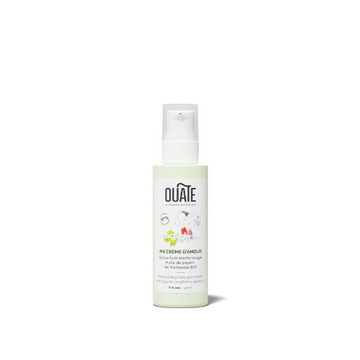
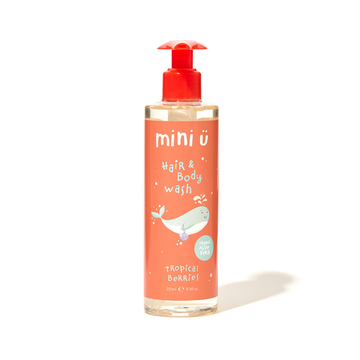
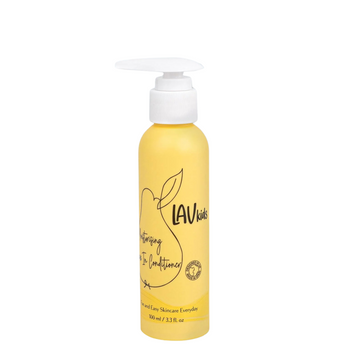
✨ 1. Choose gentle products designed for children
Choose products that are:
- specially formulated for children;
- suitable for their age (as indicated on the packaging);
- pleasant to use: a non-sticky texture and a light scent.
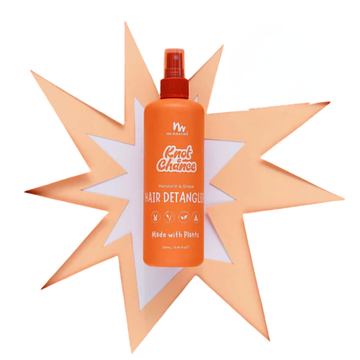
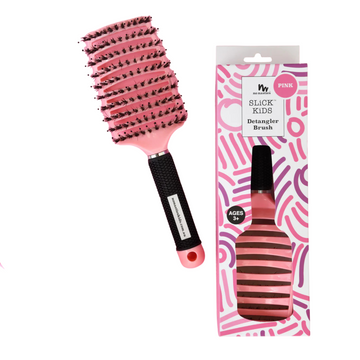
For hair, a few spritzes of a detangling spray before brushing and a detangling brush can prevent many painful knots.
👉 Less discomfort = less resistance.
🕊️ 2. Create a reassuring routine
Children like to know what to expect:
- the same order (bath → drying → brushing);
- the same actions;
- the same words.
💡 A routine provides security and reduces anxiety.
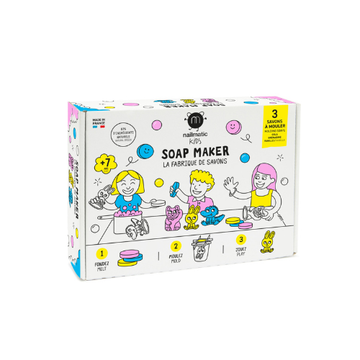
🎨 3. Turn the chore into a game
A few simple ideas:
- let them choose their favorite product;
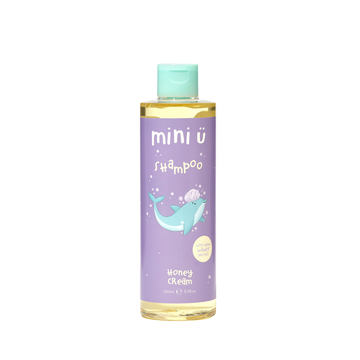
- give the shampoo a funny name;
- count the bubbles;
- make up a story while brushing their hair;
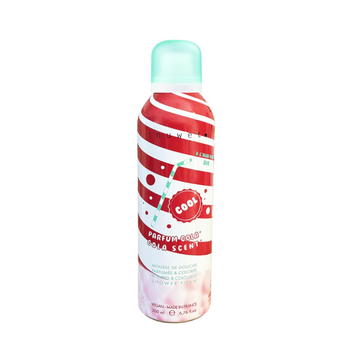
- draw clouds on their arms with a shower gel with a whipped texture;
- drop a bath bomb in the water yourself to watch it change color, or discover a surprise in the bath (our article on the bath bomb with a toy explains why it works so well).
👉 Their brain then associates the moment with pleasure, not a chore.
🤍 4. Involve the child
Even when they’re little, they can:
- hold the brush;
- press the detangling spray;
- apply their cream;
- choose their favorite scent.
💬 “Would you like strawberry or mandarin today?”
🪶 5. Respect their pace
All children are different:
- some like water;
- others prefer a short bath;
- some need more time.
👉 There’s no need to force them.
Gentleness is always more effective than coercion.
🌸 6. The key role of well-being routines in building self-confidence
These little daily rituals help children:
- get to know their bodies better;
- feel respected;
- develop their autonomy;
- learn to take care of themselves.
💛 These aren’t just hygiene tasks, but moments of connection and trust. To help your child become more independent, one step at a time, read our article how to teach a child to take care of themselves.
✨ In summary
If your child refuses:
- to wash up;
- to have their hair brushed;
- to have cream applied;
👉 it’s neither a tantrum nor a parenting failure.
It’s often:
- a high level of sensitivity;
- a need for control;
- a past bad experience;
- unsuitable products.
🌿 With gentle products, a supportive approach and a reassuring routine, these moments can become genuine moments of bonding.
💫 What if we turned these “obligatory” moments into sweet memories?
At Petit’Éclat, we believe that well-being starts in childhood, with natural, sensory products designed for little ones 💛.
👉 Find all our tips in our guide the essentials for a gentle and fun bath, and explore our full selection in the children’s bath products collection.


0 comments